IDIL KALE
UI/UX & Product Designer · Human-AI Interaction Researcher
I like figuring out how things work.
And making them work for people.

I study how people and AI understand each other, and design products people can trust.
My work, in three parts
The short
version
What I do
I design digital products, and lately I'm most curious about the moments where people and AI meet. Some days that means sitting in on a usability test and watching where someone gets stuck. Other days it means figuring out how a system can earn someone's trust instead of just asking for it.
How I do it
Research shows me where people get stuck. Design is my best guess at getting them unstuck. Testing tells me if I was right, and then I go around again. Having studied both computer science and visual design, I feel at home on both sides of that loop.
Why it matters
AI is moving into the tools we use every day. It's not about making it smarter; it's about making sure people still feel in charge. For me, that means being honest about what the system is doing, and respectful when someone wants to do things their own way.
Essential skills:
Four things I do, and the projects that show it.
Figuring out where people actually get stuck, before anyone opens Figma.
Heuristic evaluations, accessibility audits, surveys, usability sessions, personas and journey maps. My favorite moment is when three people independently flag the same problem: that's when it stops being an opinion.
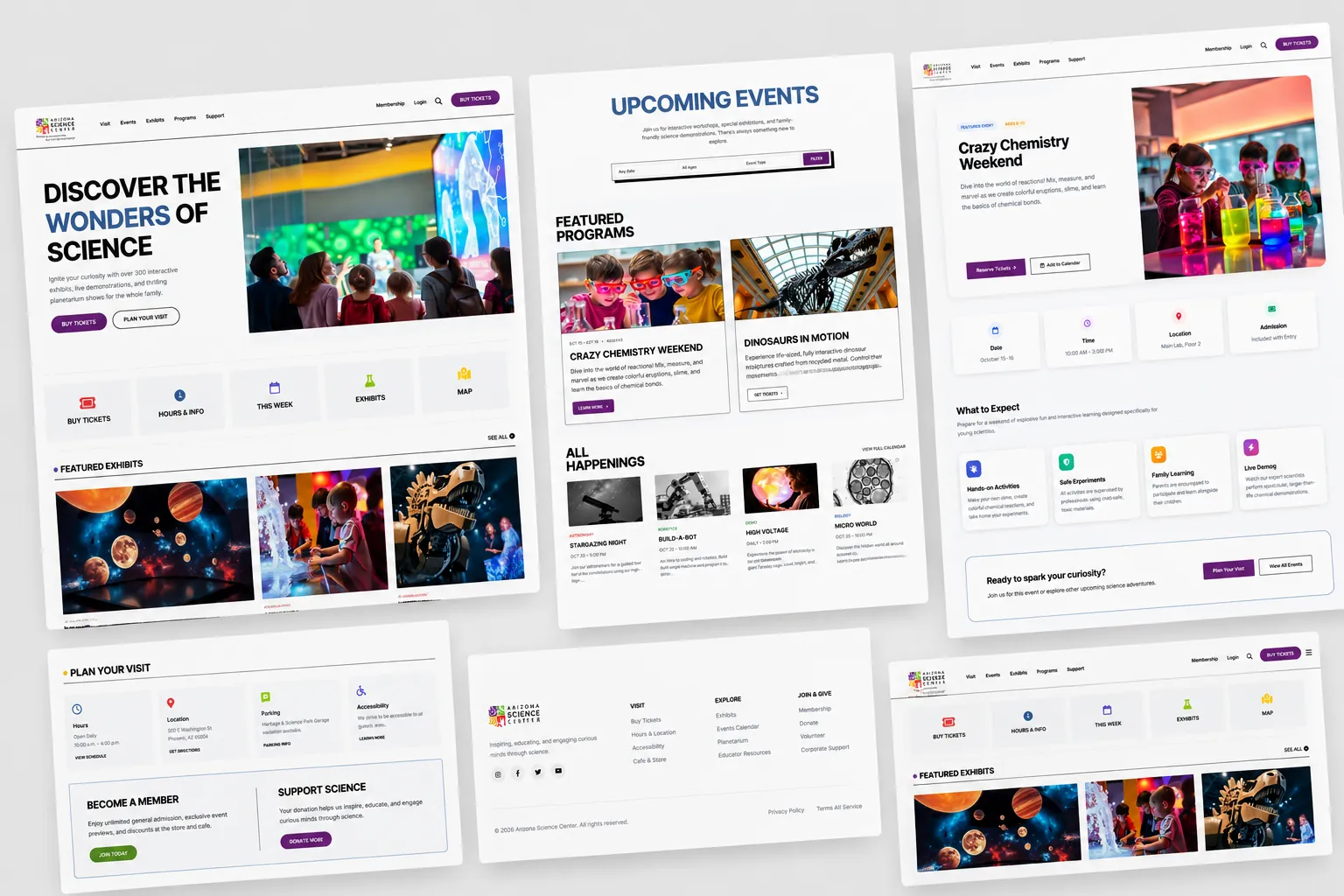
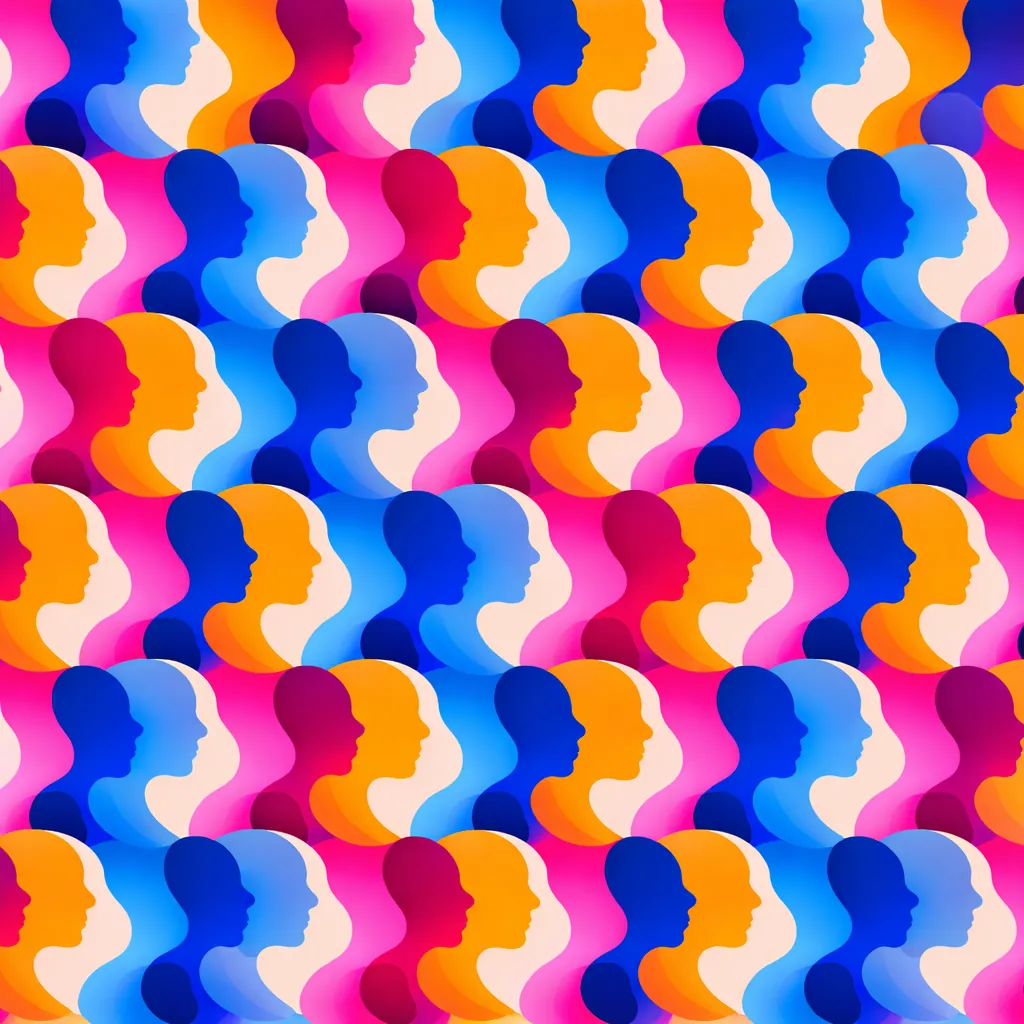
Turning what I learned into screens people can just scan and go.
Information architecture, flows, wireframes and high-fidelity UI. I care about the small things, like a label that finally makes sense, because that's usually where trust is won or lost.
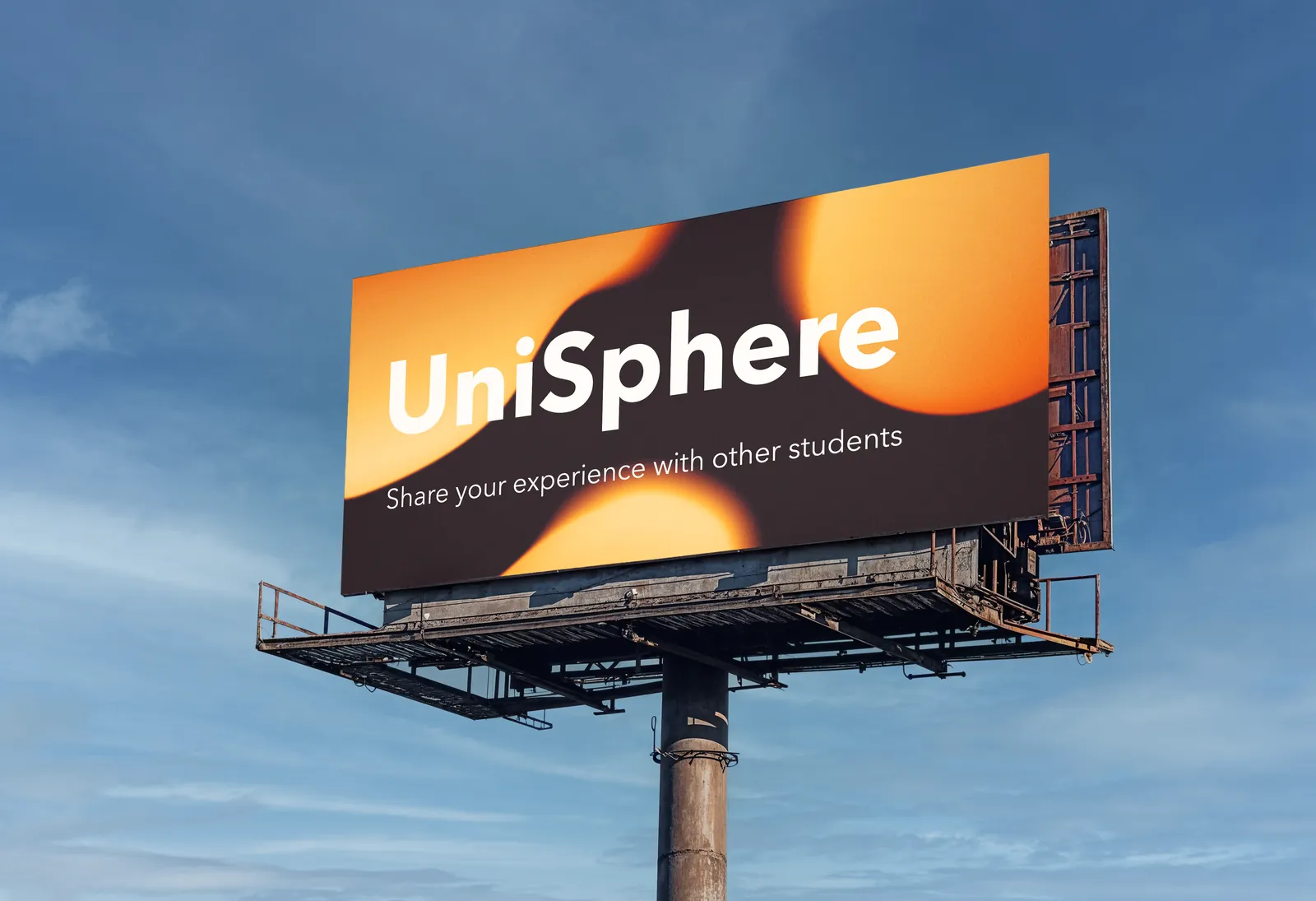
Giving an idea a face, a voice and a system that holds together.
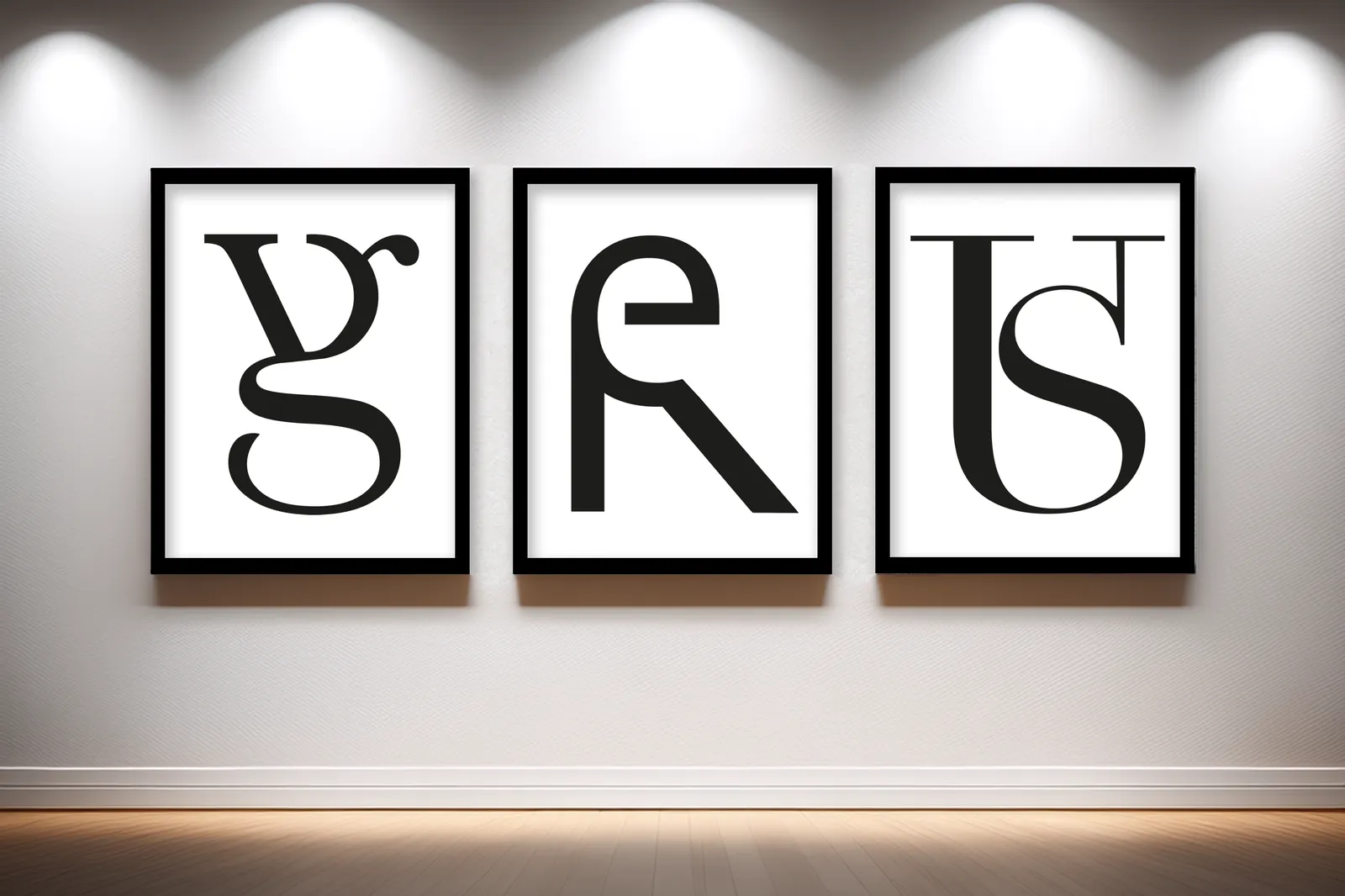
Logos, mascots, type, color, signage and the rules that keep them consistent from a business card to a website. A brand, for me, is a promise people can feel before they read anything.
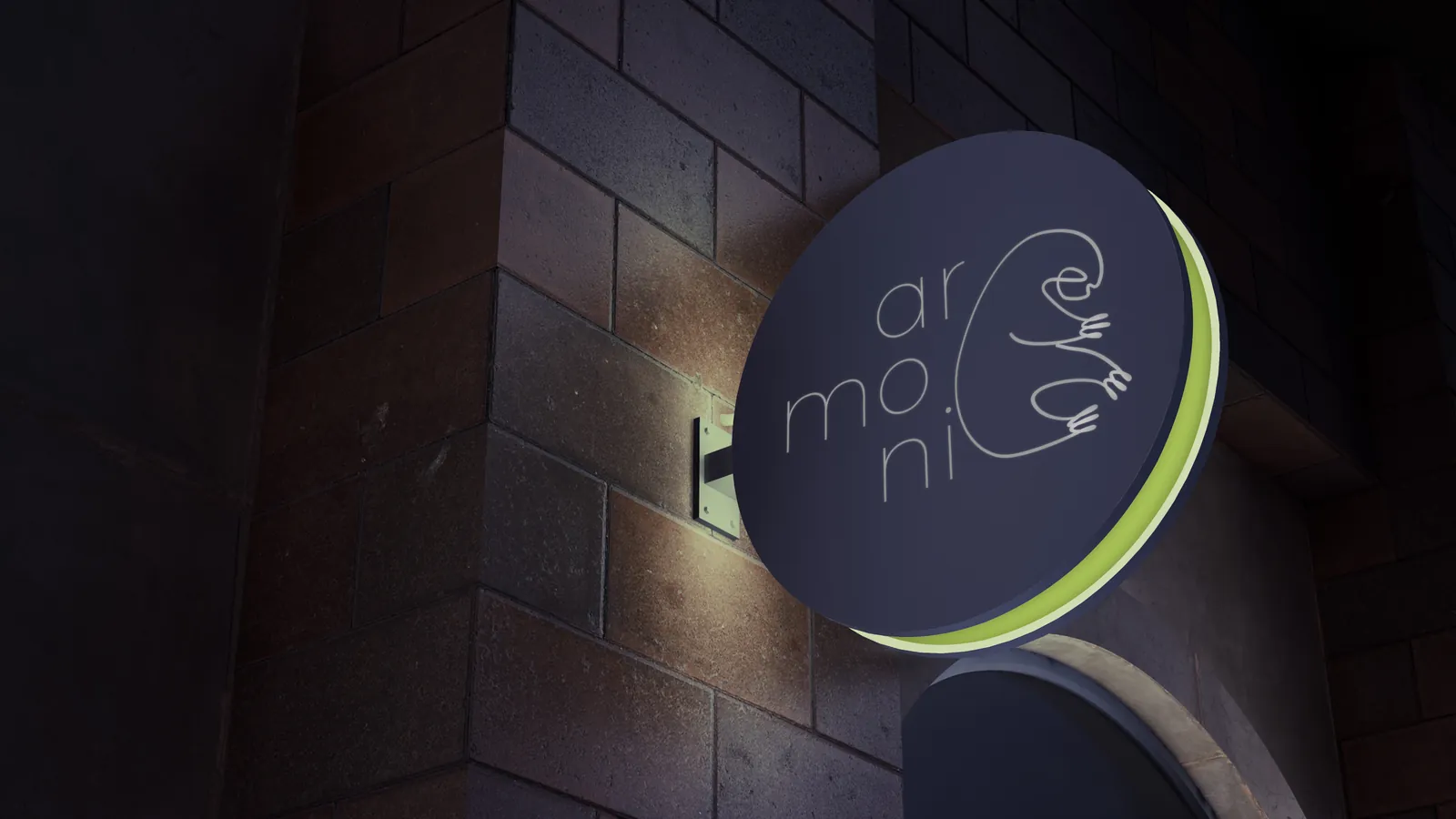
Prototyping with the real thing, not just pictures of it.
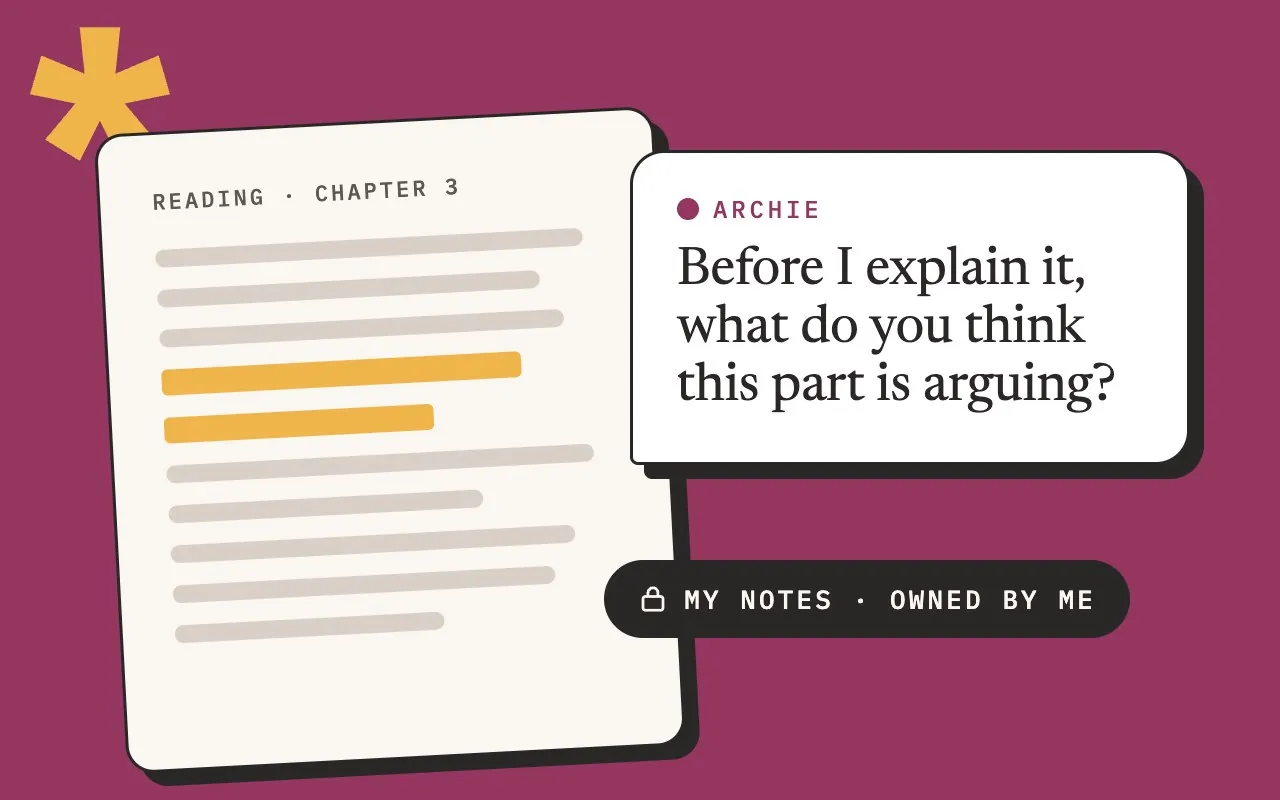
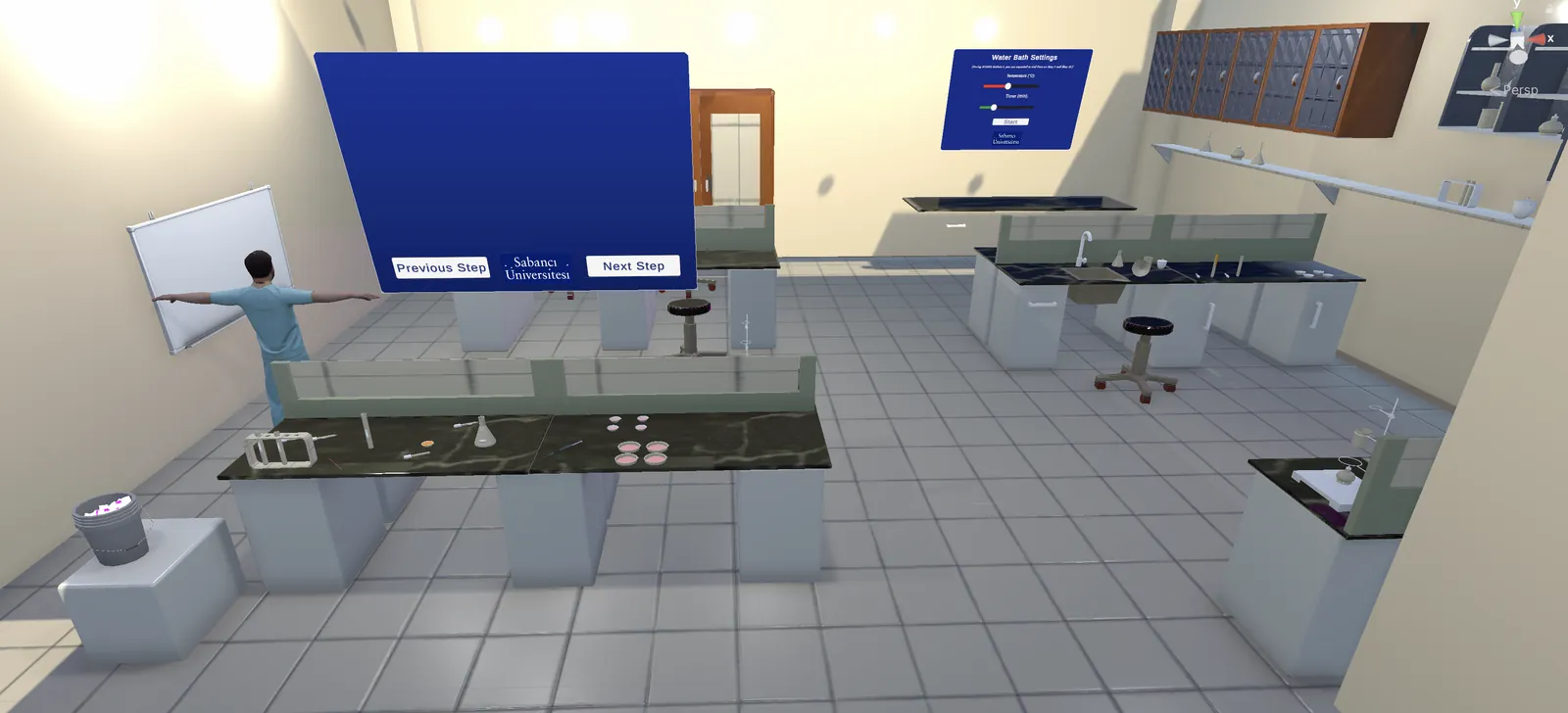
RAG pipelines, agents and the interaction patterns around them, plus Unity and VR when a problem needs a body. Building it myself is how I learn what the design really has to handle.
Who I am
People describe me as..
Curious
I’d rather ask one more question than ship one more screen. Most of my best design decisions started with someone saying, “wait, why does it work like that?”
Outside the brief
For fun
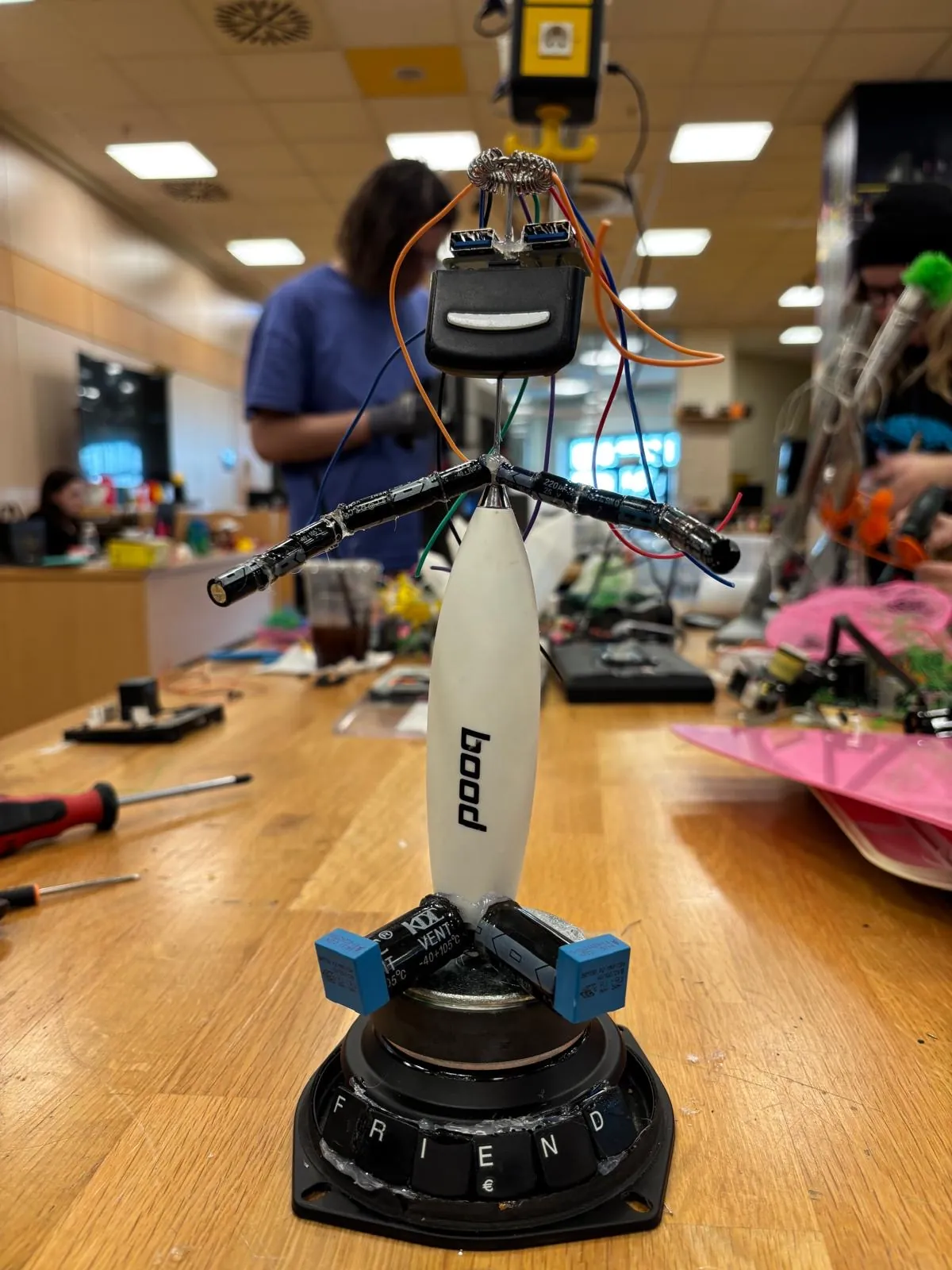
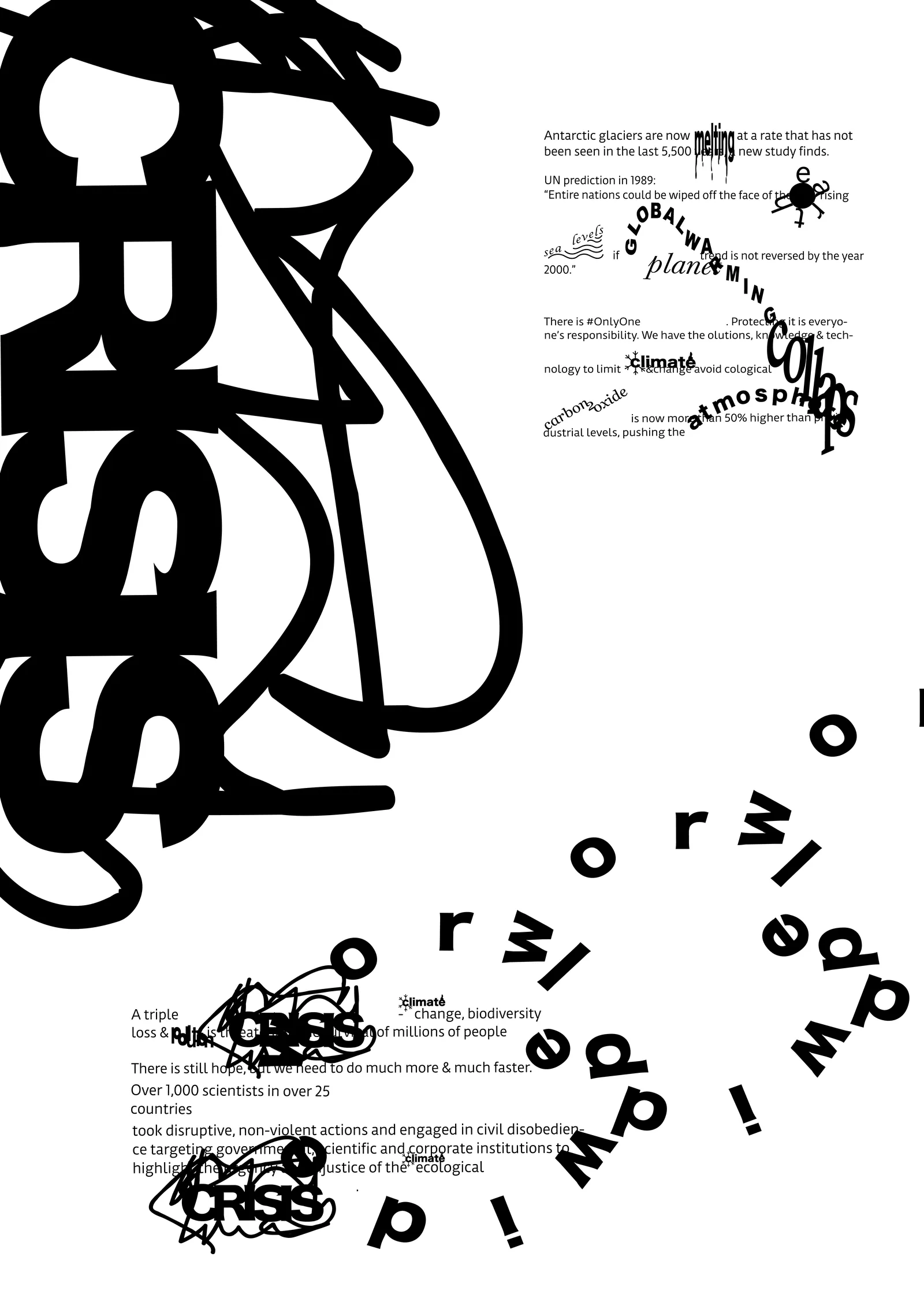
Things I make without a brief. No client, no deadline.